Essential Insights into Cement Machinery: Selection, Maintenance, and Supply Chain Excellence

Understanding Cement Machinery: Types and Applications
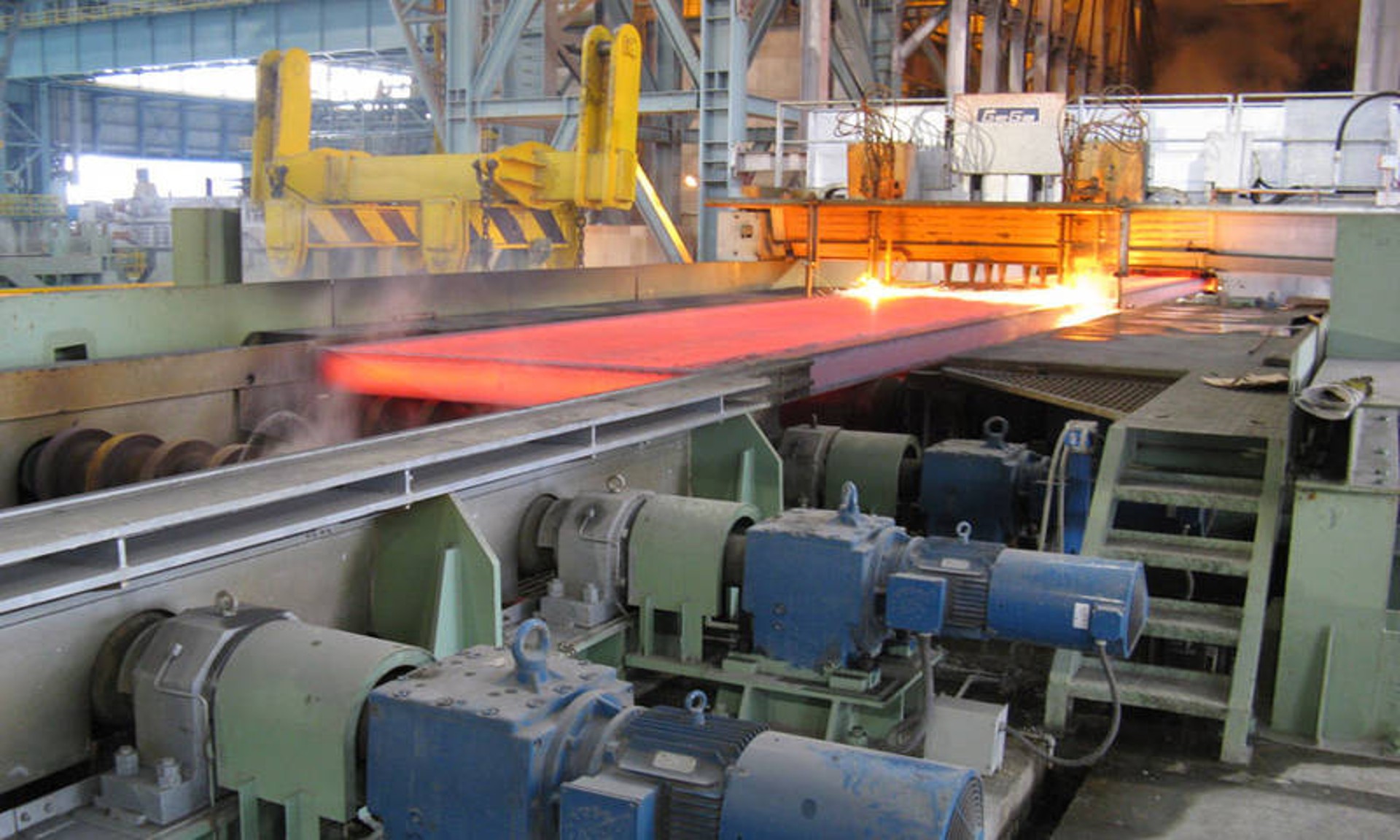
Cement machinery encompasses a wide range of equipment used in the production of cement, from raw material extraction to final packaging. Crushing equipment such as jaw crushers and impact crushers are essential for reducing large rocks into smaller pieces. Grinding mills, including ball mills and vertical roller mills, pulverize clinker and additives to achieve the desired fineness. Rotary kilns are the heart of the cement-making process, where raw materials are heated to form clinker. Other critical components include conveyors, feeders, dust collectors, and packing machines. Each type of machinery must be carefully selected based on production capacity, material characteristics, and energy efficiency requirements. Understanding these applications helps in making informed decisions for plant setup or upgrades.
Key Factors in Selecting Cement Machinery
Selecting the right cement machinery is crucial for maximizing productivity and minimizing downtime. First, assess your production capacity needs; equipment should be sized to meet current and future demand without excessive overcapacity. Second, consider energy efficiency: modern machinery with advanced technologies can significantly reduce power consumption, lowering operational costs. Third, focus on reliability and durability; cement plants operate in harsh conditions, so equipment must be robust and built to last. Fourth, evaluate automation and control systems; automated processes improve consistency and reduce labor costs. Finally, consider after-sales support and availability of spare parts. Partnering with a reputable supplier like Four Sea Supply Chain can provide access to high-quality machinery and ongoing support, ensuring a smooth operation.
Maintenance Best Practices for Longevity and Performance
Regular maintenance is vital to extend the life of cement machinery and prevent unexpected breakdowns. Implement a preventive maintenance schedule that includes routine inspections, lubrication, and replacement of wear parts. Keep detailed maintenance records to track equipment history and identify recurring issues. Train operators to recognize early signs of wear or malfunction, such as unusual noises or vibrations. Cleanliness is also critical; dust accumulation can cause overheating and accelerate wear. Use predictive maintenance technologies like vibration analysis and thermal imaging to detect problems before they escalate. Additionally, ensure that spare parts are readily available, either in inventory or through a reliable supply chain partner. Four Sea Supply Chain offers efficient logistics and sourcing solutions to keep your maintenance operations running smoothly.
The Role of Supply Chain in Cement Machinery Management
A robust supply chain is essential for the timely procurement of cement machinery and spare parts. Four Sea Supply Chain specializes in providing comprehensive sourcing and logistics services for the cement industry. By leveraging their global network, they ensure that you receive high-quality equipment from trusted manufacturers at competitive prices. Their services include vendor verification, quality assurance, and logistics management, reducing the risks associated with international purchases. With Four Sea Supply Chain, you can streamline your procurement process, minimize lead times, and maintain optimal inventory levels. This partnership allows you to focus on core operations while entrusting the complexities of supply chain management to experts.
Common FAQs About Cement Machinery
What should I consider when buying used cement machinery?
When purchasing used cement machinery, inspect the equipment thoroughly for wear and tear, check its maintenance history, and verify the seller's reputation. Consider the availability of spare parts and whether the machinery meets current safety and environmental standards. It's also advisable to involve a third-party inspector. Working with a trusted supply chain partner like Four Sea Supply Chain can help you source reliable used equipment.
How can I improve the energy efficiency of my cement machinery?
Upgrade to modern, energy-efficient models, optimize process controls, and implement regular maintenance to ensure equipment runs at peak efficiency. Additionally, consider using alternative fuels and waste heat recovery systems. Conduct an energy audit to identify areas for improvement.
What are the common signs that cement machinery needs repair?
Watch for increased vibration, unusual noises, overheating, reduced output, and frequent breakdowns. These signs indicate wear or impending failure. Addressing issues promptly through predictive maintenance can prevent costly downtime.
How does Four Sea Supply Chain support cement machinery procurement?
Four Sea Supply Chain offers end-to-end procurement solutions, including supplier identification, quality inspection, logistics coordination, and after-sales support. Their expertise ensures that you receive the right machinery and parts at the right time, enhancing your operational efficiency.