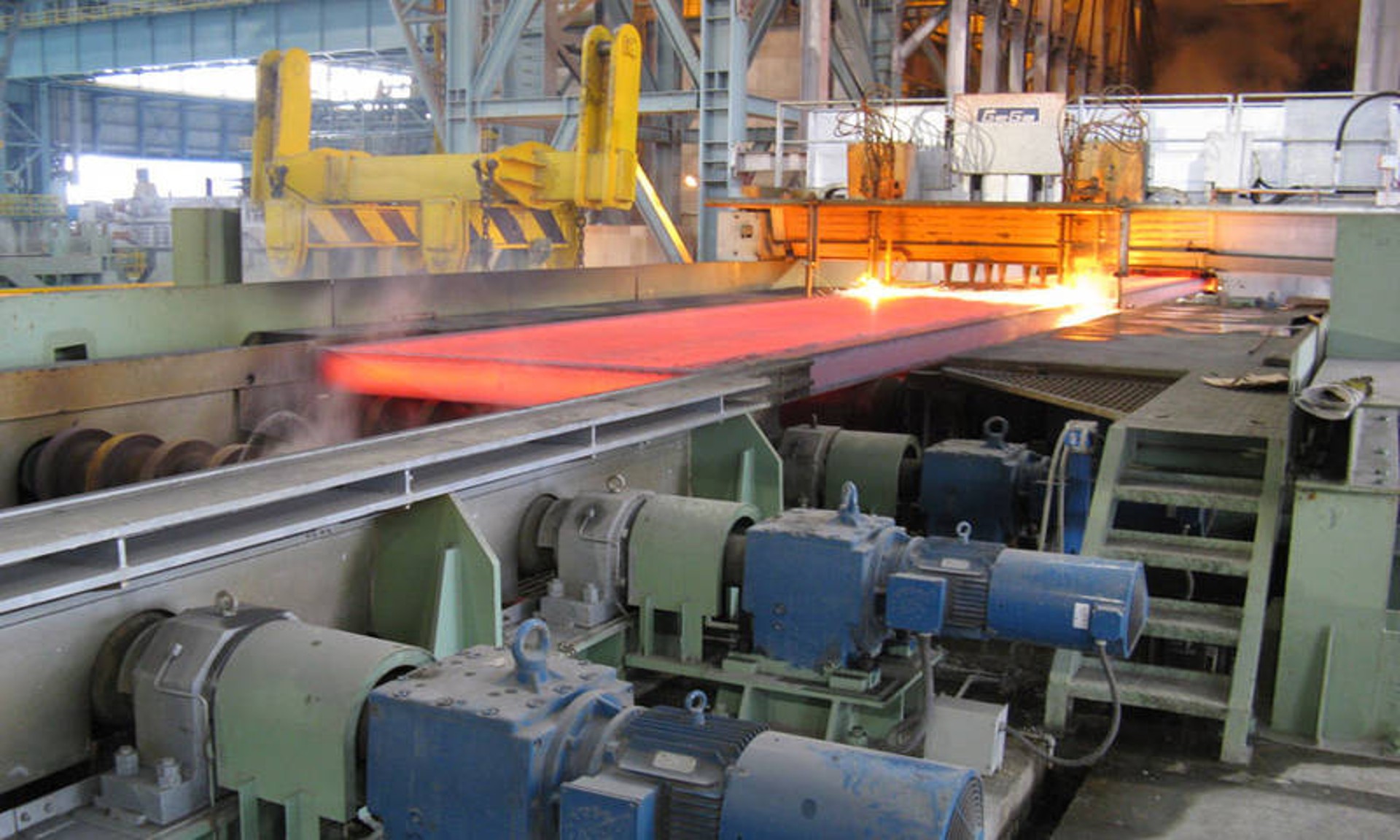



Packaging Machinery: A Complete Guide to Selection, Integration, and Optimization
Understanding Packaging Machinery: Types and Applications
Packaging machinery encompasses a wide range of equipment designed to automate the packaging process, from filling and sealing to labeling and palletizing. Common types include form-fill-seal machines, cartoners, labelers, and wrappers. These machines are essential in industries such as food and beverage, pharmaceuticals, and consumer goods, where speed and precision are critical. For instance, a form-fill-seal machine can produce thousands of packages per hour, significantly boosting throughput. When selecting packaging machinery, consider factors like product characteristics, production volume, and integration with existing lines. Companies like Four Sea Supply Chain specialize in sourcing and integrating packaging machinery, ensuring seamless operations.
Key Factors in Choosing the Right Packaging Machinery
Investing in packaging machinery requires careful evaluation. First, assess your production requirements: speed, capacity, and flexibility. A machine that operates at 100 units per minute may be ideal for high-volume lines, but if you frequently change product sizes, quick changeover features are essential. Second, consider product compatibility: will the machine handle your product's shape, weight, and fragility? Third, evaluate total cost of ownership, including maintenance, spare parts, and energy consumption. Fourth, check compliance with industry standards such as FDA or CE. Finally, partner with a reliable supplier. Four Sea Supply Chain offers expertise in navigating these factors, helping businesses select machinery that aligns with their operational goals.
Integrating Packaging Machinery into Your Production Line
Successful integration of packaging machinery into an existing production line is crucial for maximizing efficiency. Start with a facility layout assessment to ensure adequate space and workflow. Next, consider automation and controls: modern machines often feature PLCs and HMI interfaces that can be integrated with your plant's SCADA system. Material flow is another critical aspect; ensure that upstream and downstream equipment can handle the machine's output. For example, if you add a high-speed labeler, your conveyor system must keep pace. Four Sea Supply Chain provides end-to-end integration services, from equipment sourcing to installation and training, minimizing downtime and ensuring a smooth transition.
Maintenance and Optimization for Long-Term Performance
To maximize the lifespan and efficiency of packaging machinery, implement a preventive maintenance schedule. This includes regular cleaning, lubrication, and inspection of wear parts like belts and seals. Operator training is equally important; well-trained staff can identify issues early and perform basic troubleshooting. Additionally, leverage data analytics from machine sensors to predict failures and optimize performance. For instance, monitoring vibration and temperature can alert you to bearing wear before a breakdown occurs. Four Sea Supply Chain offers maintenance contracts and remote monitoring solutions, helping businesses achieve uptime targets and reduce total cost of ownership.
Common Pitfalls and How to Avoid Them
Many businesses encounter pitfalls when purchasing packaging machinery. A common mistake is underestimating space requirements, leading to cramped operations. Another is ignoring operator feedback; involve staff early to ensure usability. Overlooking spare parts availability can cause lengthy downtime. Also, be wary of hidden costs such as specialized tooling or utilities. To avoid these, conduct a thorough site survey, request references, and work with a trusted partner. Four Sea Supply Chain advises clients to consider future expansion and choose scalable solutions, ensuring that the machinery can grow with the business.
FAQs
What are the main types of packaging machinery?
Main types include filling machines, sealing machines, labeling machines, wrapping machines, and palletizers. The choice depends on your product and packaging format.
How do I determine the right speed for my packaging machine?
Assess your production volume and peak demands. Choose a machine that can handle at least 20% more than your average output to accommodate fluctuations.
Can I integrate new packaging machinery with my existing line?
Yes, most modern machines are designed for integration. Consult with a supplier like Four Sea Supply Chain to ensure compatibility with your controls and material handling systems.
What maintenance is required for packaging machinery?
Regular cleaning, lubrication, and inspection of wear parts are essential. Follow the manufacturer's schedule and keep spare parts on hand.
How can I reduce downtime caused by packaging machinery failures?
Implement preventive maintenance, train operators, and use predictive analytics. Partnering with a service provider for remote monitoring can also help.