

What Is an Asynchronous Induction Motor — Construction & Working Mechanism
An asynchronous induction motor is a type of alternating current (AC) electric motor in which the electric current required to produce torque is obtained by electromagnetic induction from the magnetic field of the stator winding. It is termed "asynchronous" because the rotor never rotates at the same speed as the stator's rotating magnetic field. Instead, it always runs at a slightly lower speed, a difference known as "slip." This slip is essential, as it allows the rotating magnetic field to continuously cut across the rotor conductors, thereby inducing the necessary current and torque. As the most typical and widely used electric motor, the three-phase asynchronous induction motor is highly valued for being cheap, easy to maintain, and capable of excellent performance compared to single-phase motors.
Construction
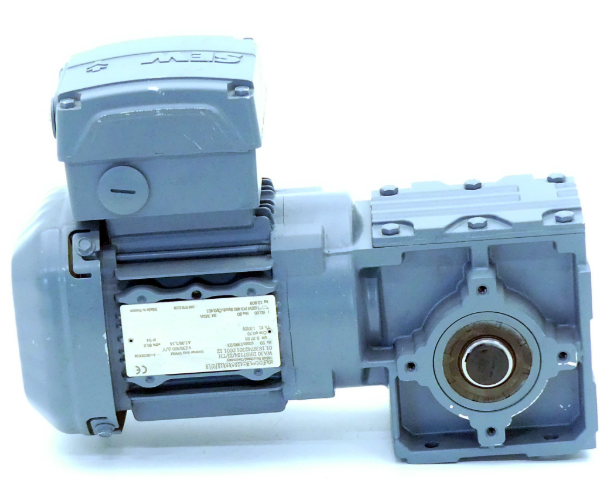
The construction of an asynchronous induction motor is remarkably simple and robust. Notably, it does not include any permanent magnets or external electrical connections to the rotor. The motor consists primarily of a stator and a rotor. The stator contains coils that, when connected to an AC power supply, generate a rotating electromagnetic field. The rotor, often designed with a "squirrel cage" structure of conductive bars, receives no direct electrical energy. Instead, the current flowing in the rotor is activated by the induced voltage from the stator's steering field. Because the rotor's electromagnetic field is generated entirely by the stator's field, the two fields travel asynchronously, and the retention (or lag) between them is precisely what we call slip.
Operation
The operation of the asynchronous induction motor is fundamentally based on the concept of electromagnetic induction. Unlike DC motors, the rotor does not receive electrical energy through direct conduction, nor does it require any external device to stimulate the internal blades (conductors). Therefore, the rotor's velocity mainly depends on the intensity of the magnetic induction and the load. The variable electromagnetic field from the stator triggers the rotor to rotate at a lower speed than the stator's electromagnetic field. This continuous change in relative velocity and the resulting slip are the defining characteristics that give the asynchronous induction motor its name and ensure its reliable, continuous operation.