What Is an Asynchronous Motor: Construction and Working Mechanism
What is an Asynchronous Motor?
An asynchronous motor, also widely known as an induction motor, is the most common type of alternating current (AC) motor used today. It gets its name from the fact that its rotor rotates asynchronously—meaning it is not perfectly synchronized—with the rotating magnetic field generated by the stator.
How It Works
The operation of an asynchronous motor is based on the principle of electromagnetic induction. Unlike DC motors, the rotor does not receive electrical energy through direct conduction, nor does it require external devices (like permanent magnets or DC excitation) to stimulate it.
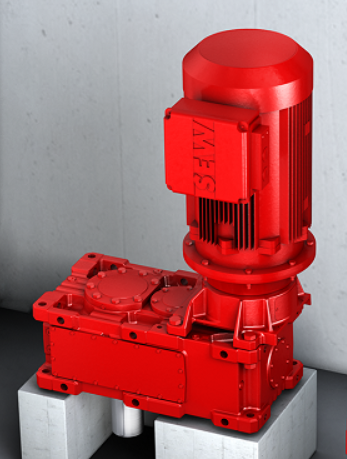
Instead, the rotating magnetic field created by the stator induces a current in the rotor windings. This induced current generates its own magnetic field, which interacts with the stator's field to produce torque and drive the rotor. Because the rotor must "chase" the stator's magnetic field to induce this current, it always spins at a slightly lower speed. This speed difference between the rotor and the stator's magnetic field is known as slip. If the rotor were to spin at the exact same speed as the magnetic field, no current would be induced, and no torque would be generated.
Key Advantages and Applications
Asynchronous motors are highly valued in industrial and commercial applications due to several key benefits:
- Reliability and Durability: They have a simple, rugged construction with no brushes or permanent magnets, making them tough and long-lasting.
- Cost-Effective & Low Maintenance: Especially in their three-phase configuration, they are inexpensive to manufacture and easy to maintain.
- Excellent Performance: Three-phase asynchronous motors significantly outperform single-phase motors in terms of efficiency and power.
A Note on Speed
One defining characteristic of the asynchronous motor is that its speed is inherently tied to the frequency of the AC power supply and the number of magnetic poles in the stator. While traditional asynchronous motors operate at a fixed speed determined by these factors, modern advancements in variable frequency drives (VFDs) now allow for precise speed control, expanding their versatility across a wide range of applications.