What Is a Squirrel Cage Rotor Induction Motor? Differences Explained
A squirrel cage rotor induction motor is a highly prevalent type of asynchronous AC motor that converts electrical energy into mechanical energy through electromagnetic induction. Widely adopted across industrial and household applications, this motor is celebrated for its simple, reliable, and highly efficient operation.
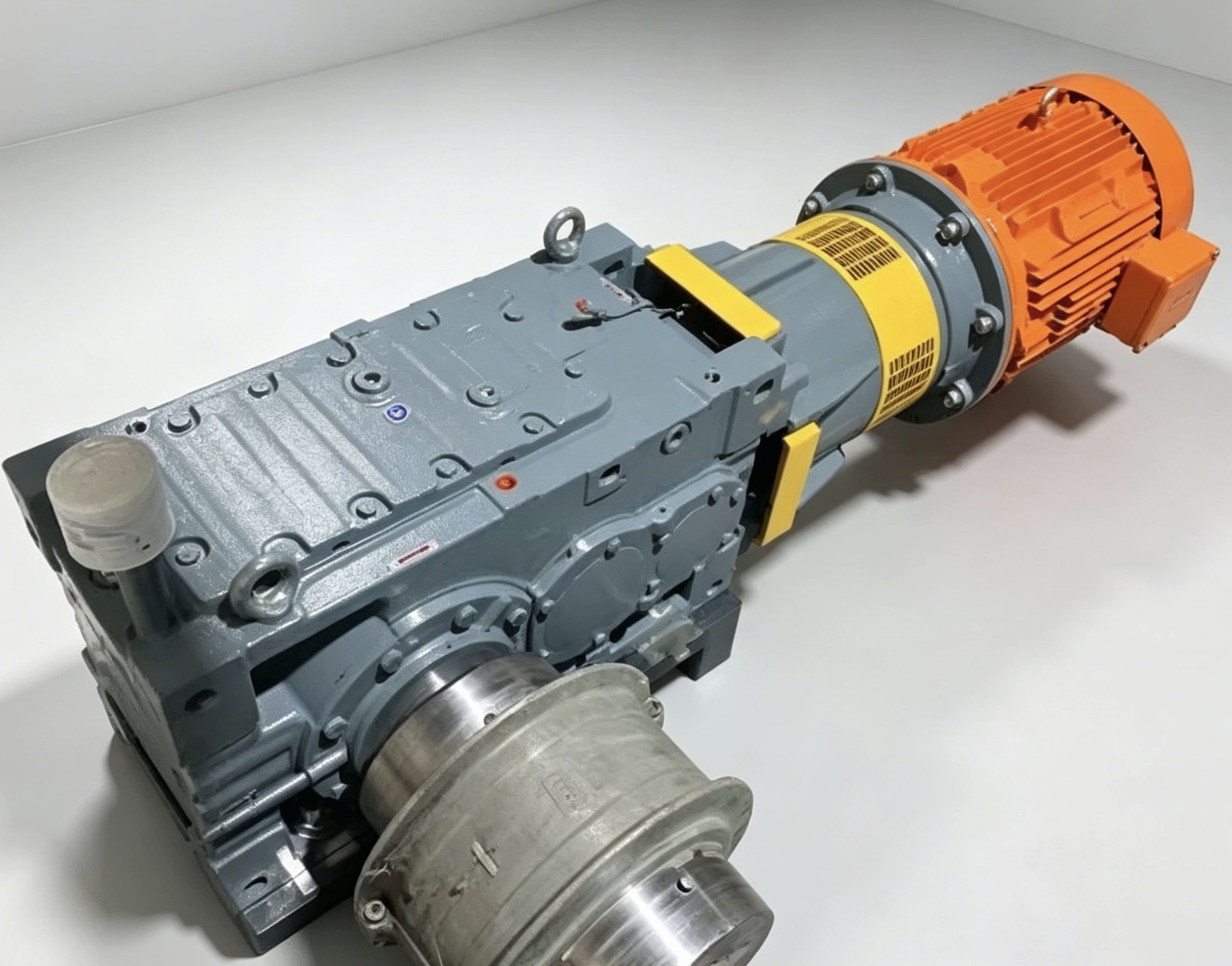
The defining characteristic of this motor lies in its unique rotor construction. The rotor consists of a cylindrical core embedded with conductive metal bars (typically aluminum or copper) that are short-circuited at both ends by metal rings. This distinct cage-like structure, which resembles a small wheel used for pet squirrels, gives the motor its name. Unlike other motor types, the rotor is not connected to any external power source; instead, it is induced to rotate solely by the rotating magnetic field generated by the stator.
Squirrel cage rotor induction motors are favored for their rugged construction, durability, and low manufacturing cost. Because they lack slip rings and brushes, they require minimal maintenance and are exceptionally easy to repair, making them an economical choice for a vast array of machinery. They are commonly utilized to drive fans, pumps, compressors, and general-purpose industrial equipment.
While other induction motors, such as wound rotor motors, offer adjustable torque and better speed control through external rotor resistance, they come with more complex constructions and higher maintenance needs. In contrast, the squirrel cage rotor induction motor provides a robust, low-maintenance, and cost-effective solution for constant-speed applications, though its speed can still be effectively controlled when paired with modern Variable Frequency Drives (VFDs).
Key Features of Squirrel Cage Rotor Induction Motors:
- Construction: Features a robust rotor made of short-circuited aluminum or copper bars, eliminating the need for brushes or slip rings.
- Starting Torque: Offers moderate starting torque, which can be optimized through specific rotor bar designs.
- Maintenance: Requires exceptionally low maintenance due to its simple and rugged rotor structure.
- Efficiency & Durability: Delivers high efficiency, particularly at constant speeds, and boasts high durability suitable for harsh operating conditions.
- Speed Control: Primarily designed for constant-speed operation, but speed can be smoothly adjusted using a VFD.
- Cost-Effectiveness: Highly affordable to manufacture and operate, making it the standard choice for general-purpose machinery.
- Comparison: Squirrel Cage vs. General Induction Motors
| Feature | Squirrel Cage Induction Motors | Induction Motors (General / Wound Rotor) |
|---|---|---|
| Construction | Rotor made of aluminum or copper bars (squirrel cage) | Rotor construction varies (can be squirrel cage or wound rotor) |
| Rotor Type | Squirrel cage rotor | Squirrel cage or wound rotor |
| Starting Torque | Moderate, depending on the rotor bar design | Varies: squirrel cage generally lower; wound rotor offers adjustable torque |
| Slip | Lower slip, typically 4-6% | Depends on the load and type; squirrel cage < wound rotor |
| Maintenance | Low maintenance (no slip rings or brushes) | Squirrel cage: low; wound rotor: moderate due to brushes/slip rings |
| Starting Method | Direct-on-line (DOL) or star-delta starting | Depends on the type; DOL, star-delta, or rotor resistance for wound rotors |
| Efficiency | High, particularly at constant speeds | Generally high, but squirrel cage are typically more efficient |
| Applications | Fans, pumps, compressors, general-purpose machinery | Wide range: fans, cranes, conveyors, industrial drives |
| Cost | Lower cost due to simpler construction | Squirrel cage: affordable; wound rotor: more expensive |
| Speed Control | Limited (with variable frequency drive or VFD) | Wound rotor offers better speed control options |
| Durability | Durable and robust for harsh conditions | Squirrel cage: high durability; wound rotor: Moderate |
| Noise | Generally quieter, due to the simple rotor structure | Varies, but squirrel cage motors are often quieter |