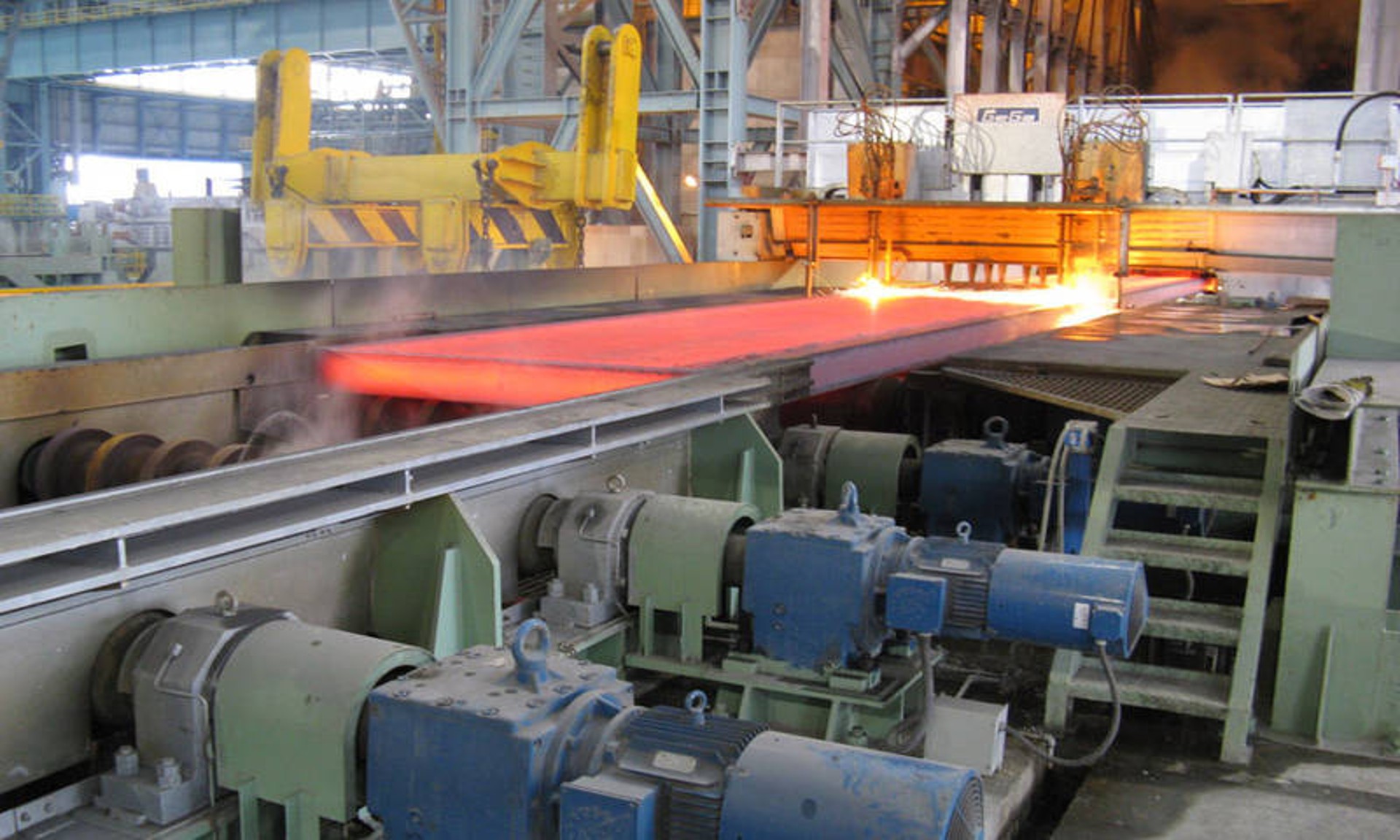


Navigating the Waves: The Essential Role of Marine Machinery in Modern Maritime Operations
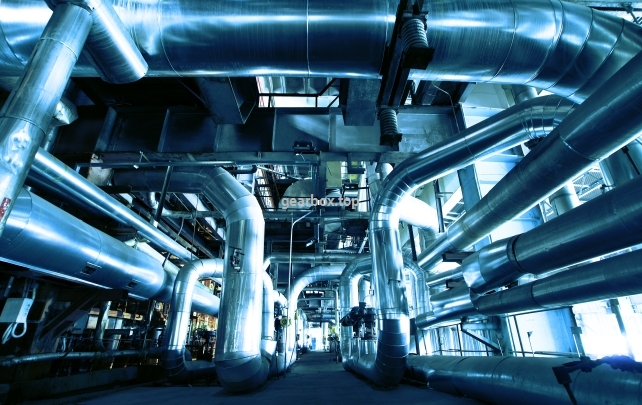
Introduction to Marine Machinery
Marine machinery encompasses a wide range of equipment used in ships and offshore structures, including engines, propulsion systems, pumps, and navigation tools. These components are essential for the safe and efficient operation of vessels, enabling the transport of goods and resources across the world's oceans. Without reliable marine machinery, the maritime industry would grind to a halt, impacting global trade and economies.
Key Components and Functions
At the heart of marine machinery are propulsion systems, such as diesel engines and electric motors, which provide the power needed for movement. Auxiliary machinery, like generators and cooling systems, supports onboard operations, while deck machinery, including winches and cranes, handles cargo loading and unloading. These systems work together to ensure that ships can navigate challenging sea conditions and meet tight schedules, making them indispensable in today's fast-paced world.
Innovations in Marine Technology
Recent advancements in marine machinery have focused on improving efficiency and reducing environmental impact. For example, the adoption of hybrid propulsion systems and the use of alternative fuels like LNG (liquefied natural gas) are helping to lower emissions. Automation and digitalization are also transforming the industry, with smart sensors and IoT (Internet of Things) devices enabling real-time monitoring and predictive maintenance. These innovations not only enhance performance but also contribute to the sustainability of maritime operations.
Integration with the Four Sea Supply Chain
The Four Sea Supply Chain refers to the interconnected network of maritime logistics that spans the Atlantic, Pacific, Indian, and Arctic Oceans. Marine machinery plays a crucial role in this system by ensuring that vessels can operate reliably across diverse routes and conditions. For instance, ice-class machinery is essential for Arctic shipping, while robust engines are needed for long-haul Pacific crossings. By optimizing machinery for specific sea environments, companies can streamline the Four Sea Supply Chain, reducing delays and costs while improving safety and reliability.
Common Challenges and Solutions
Operating marine machinery in harsh marine environments presents challenges such as corrosion, wear and tear, and regulatory compliance. Regular maintenance and the use of high-quality materials can mitigate these issues. Additionally, training crew members to handle advanced machinery is vital for preventing accidents and ensuring smooth operations. By addressing these challenges proactively, maritime operators can extend the lifespan of their equipment and enhance overall efficiency.
Future Trends and Outlook
Looking ahead, the future of marine machinery is likely to be shaped by further automation, increased use of renewable energy sources, and stricter environmental regulations. Innovations like autonomous ships and AI-driven maintenance systems could revolutionize the industry, making operations more efficient and sustainable. As global trade continues to grow, investing in cutting-edge marine machinery will be key to maintaining a competitive edge and supporting the evolving needs of the Four Sea Supply Chain.
Frequently Asked Questions
What is the most important type of marine machinery for cargo ships?
The propulsion system, typically a diesel engine, is crucial as it provides the power needed for movement and directly impacts fuel efficiency and speed.
How does marine machinery contribute to environmental sustainability?
By incorporating technologies like scrubbers, energy-efficient engines, and alternative fuels, marine machinery helps reduce emissions and minimize the ecological footprint of maritime activities.
Why is the Four Sea Supply Chain significant in marine operations?
It represents the global scale of maritime logistics, and reliable marine machinery ensures that vessels can navigate these diverse sea routes efficiently, supporting international trade and economic growth.
What are common maintenance practices for marine machinery?
Regular inspections, lubrication, and part replacements are essential, along with using corrosion-resistant materials and adhering to manufacturer guidelines to prevent breakdowns.
How is technology changing marine machinery?
Advances in automation, IoT, and data analytics are enabling smarter monitoring and predictive maintenance, leading to improved safety, reduced downtime, and lower operational costs.