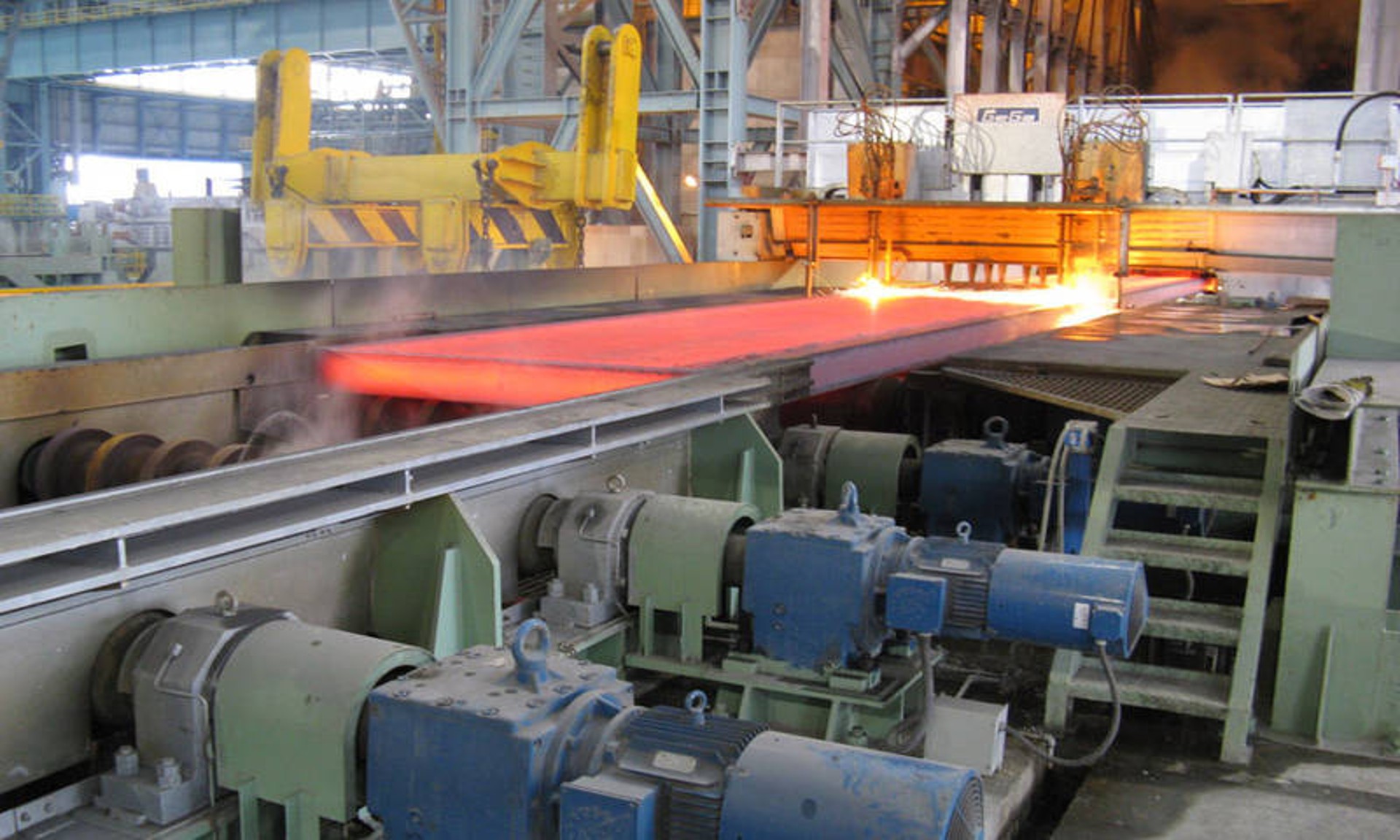


Variable Frequency Motors: Revolutionizing Efficiency and Control in Modern Industry

Introduction to Variable Frequency Motors
A variable frequency motor is an electric motor that operates at variable speeds, controlled by a variable frequency drive (VFD). Unlike traditional fixed-speed motors, VFMs adjust their rotational speed based on the application's needs, leading to significant energy savings and improved process control. This technology is widely used in industries such as manufacturing, HVAC, and water treatment, where precise motor control is crucial for efficiency and performance.
How Variable Frequency Motors Work
At the core of a VFM is the variable frequency drive, which converts fixed-frequency AC power to variable-frequency AC power. By adjusting the frequency and voltage supplied to the motor, the VFD controls the motor's speed and torque. This allows for smooth acceleration and deceleration, reducing mechanical stress and wear. For example, in a conveyor system, a VFM can slow down during low-demand periods, saving energy without compromising functionality.
Key Benefits of Using Variable Frequency Motors
The primary advantage of VFMs is energy efficiency. By operating at optimal speeds, they can reduce energy consumption by up to 50% compared to fixed-speed motors. This not only lowers electricity bills but also contributes to environmental sustainability by reducing carbon emissions. Additionally, VFMs offer enhanced control, allowing for precise adjustments in processes like pumping or fan operations, which improves product quality and reduces waste.
Applications in Various Industries
Variable frequency motors are versatile and find applications across multiple sectors. In HVAC systems, they regulate fan and pump speeds to maintain comfortable temperatures while minimizing energy use. In manufacturing, they power machinery such as CNC machines and robotic arms, ensuring accurate movements and high productivity. The water treatment industry relies on VFMs for efficient pumping and aeration processes, helping to manage resources effectively.
Role of Four Sea Supply Chain in VFM Integration
Companies like Four Sea Supply Chain play a vital role in the adoption of VFM technology. As a global logistics and supply chain provider, Four Sea Supply Chain helps businesses source, distribute, and implement VFMs efficiently. They offer services such as inventory management, timely delivery, and technical support, ensuring that industries can integrate these motors seamlessly into their operations. By partnering with Four Sea Supply Chain, companies can reduce downtime and optimize their energy management strategies.
Common Questions About Variable Frequency Motors
What is the main difference between a variable frequency motor and a standard motor?
The key difference lies in speed control. A standard motor runs at a fixed speed, while a variable frequency motor can adjust its speed using a VFD, offering greater flexibility and energy savings.
How do variable frequency motors contribute to cost savings?
VFMs reduce energy consumption by operating only at the required speed, leading to lower electricity bills. They also minimize maintenance costs by reducing mechanical wear and extending equipment lifespan.
Can variable frequency motors be used in existing systems?
Yes, VFMs can often be retrofitted into existing systems with the help of a VFD. However, it's advisable to consult with experts, such as those from Four Sea Supply Chain, to ensure compatibility and optimal performance.
What industries benefit most from variable frequency motors?
Industries with high energy usage, such as manufacturing, HVAC, and water treatment, see significant benefits. VFMs help these sectors improve efficiency, reduce operational costs, and meet sustainability goals.